

Lighting Green Guide: Expert Tips for Vibrant Results 2026
Imagine stepping into a room where every corner glows with energy and creativity, where lighting green transforms blank walls into vibrant canvases that inspire and uplift. The right lighting does more than brighten a space—it shapes how we feel, think, and create within it. Whether you're capturing stunning photos, producing video magic, or designing a sanctuary at home, mastering lighting green is your path to flawless results in 2025.
This guide brings together expert strategies and actionable tips, ensuring you can harness the full power of lighting green. Discover the fundamentals, choose the best equipment, set up with confidence, troubleshoot with ease, and stay ahead of trends. Ready to see your world in a whole new light? Let’s get started.
What Is Green Lighting and Why Does It Matter?
Imagine stepping into a room where every surface seems alive, the air feels charged with creativity, and your eyes are drawn to a seamless, glowing backdrop. This is the quiet magic of lighting green—a technique that shapes both the camera's eye and our own perceptions.
Defining Green Lighting: Key Concepts
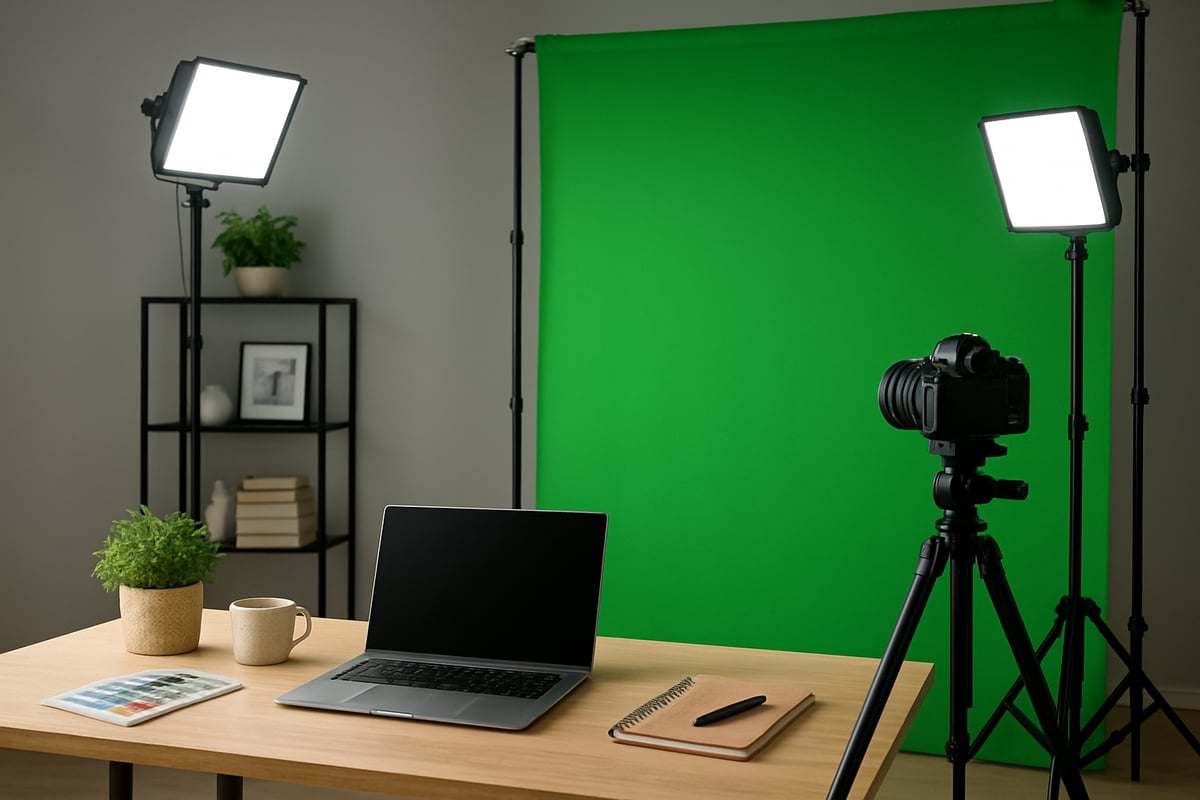
At its core, lighting green refers to the art and science of illuminating a green surface—most often a screen or wall—so evenly that it becomes invisible to the viewer, yet powerful for digital magic. In video production and photography, this process is essential for chroma keying, where backgrounds disappear and new worlds appear in their place. Achieving perfect lighting green means managing both color accuracy and light distribution, ensuring no dark spots, hot spots, or uneven shadows disrupt the illusion.
Lighting green is not just about making things look good on camera. It also impacts how quickly editors can replace backdrops, with studies showing that a well-lit green screen can cut post-production time in half. The science goes deeper: managing color spill—when green light bounces onto a subject—prevents ghostly outlines and keeps skin tones natural. This attention to detail transforms film sets, YouTube studios, and even home offices into flexible, professional spaces. While some confuse lighting green with eco-friendly lighting, the two are distinct: here, it’s all about vibrant color, not energy use.
The Psychology and Visual Power of Green
Green is universally linked with growth, renewal, and energy. When lighting green dominates a space, it can spark creativity or instill a sense of calm, depending on how it’s used. In workspaces, green lighting is thought to boost focus and reduce eye strain, creating an environment where ideas flow. Living rooms bathed in subtle green can feel restful, encouraging relaxation after a long day.
The visual power of lighting green goes beyond the practical. It shapes our emotions the moment we enter a room or see a video frame. Designers and content creators harness this effect to build inspiring, fresh atmospheres. For more on how color choices like green influence mood and ambiance, see the insights on [color psychology in home lighting](https://www.hausgem.com/blogs/news/color-psychology-in-home-decor-design). With the right approach to lighting green, any environment can become a vibrant canvas for creativity and connection.
What Equipment Do You Need for Perfect Green Lighting?
Imagine stepping onto a film set or walking into a modern home office where the atmosphere feels alive and focused. The secret often lies in the lighting green choices made behind the scenes. The right tools can turn any ordinary space into one that radiates creativity and professional polish.
Essential Lighting Gear for 2025
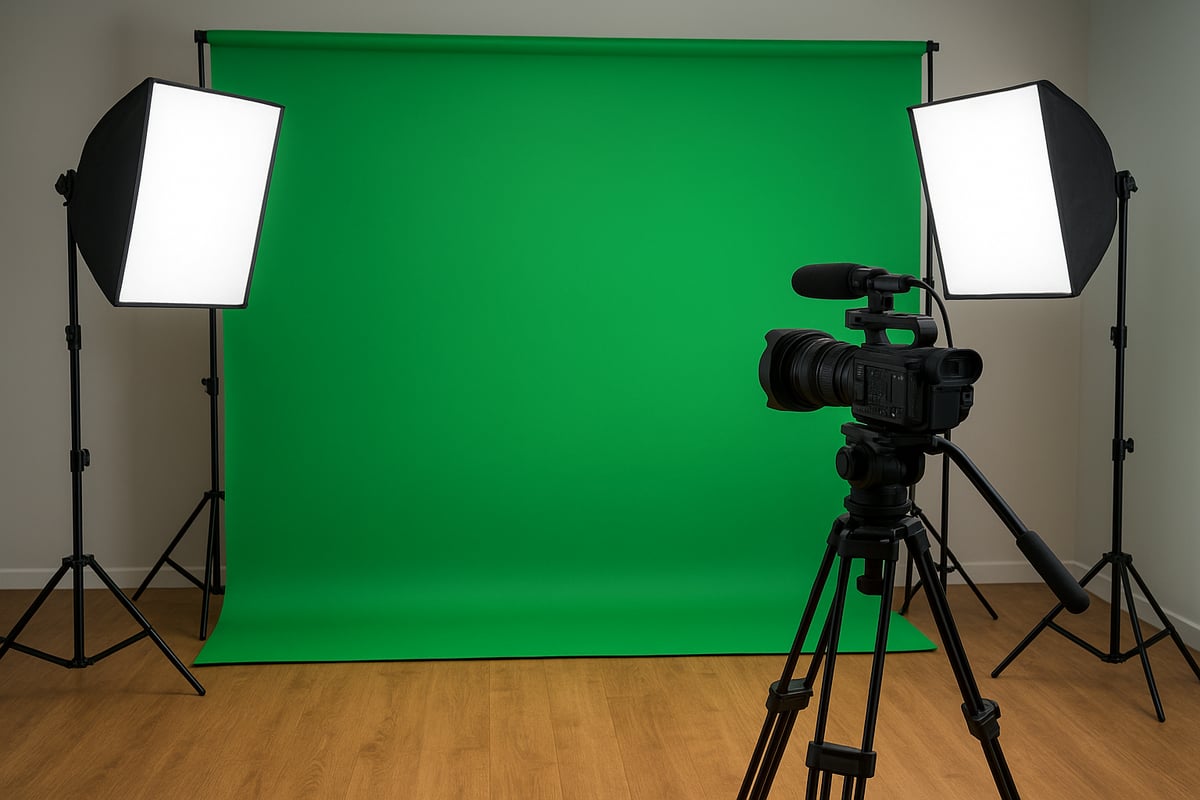
To achieve flawless lighting green results, start by selecting lights that deliver consistent, controllable brightness and color. LED panels have become the industry favorite for 2025, offering adjustable color temperature and low heat output. Fluorescent tubes and softboxes remain reliable options, especially when paired with daylight-balanced bulbs (around 5,600K) for natural tones.
Using identical light sources is crucial for color accuracy. Mismatched lights can cause uneven results and complicate post-production. Experts recommend two matching lights aimed at the green screen, positioned at equal angles to minimize shadows and hotspots. Accessories like sturdy light stands, soft diffusers, and backdrop supports help maintain stability and softness.
Camera settings matter just as much as your light choice. Keep ISO low to avoid noise, set white balance for daylight, and adjust exposure to capture vibrant greens without washing out detail. Whether you are on a budget or investing in pro gear, prioritizing evenness and consistency in your lighting green setup pays off every time.
| Gear Type | Best For | Budget Range |
|---|---|---|
| LED Panels | Adjustable color, low heat | $$–$$$ |
| Fluorescent Tubes | Soft, even light | $–$$ |
| Softboxes | Diffuse, shadow-free | $–$$$ |
Upgrading Your Space: Modern Green Lighting Innovations
The future of lighting green is smart, flexible, and sustainable. Wireless LED fixtures now offer app control, letting you fine-tune brightness and color from your phone. Scene presets allow you to switch from video mode to a cozy reading nook in seconds, making your space truly multifunctional.
Energy efficiency is a growing priority. Modern LEDs use up to 75% less energy than traditional bulbs, reducing both costs and environmental impact. Many new systems integrate easily with home automation platforms, so you can schedule or customize your lighting green scenes to match your mood or workflow.
Design matters, too. Sleek, minimalist fixtures blend with contemporary decor, while nature-inspired designs can bring a touch of the outdoors into your creative setup. For inspiration and a curated selection of cutting-edge options, explore the lighting collection for modern homes to discover gear that elevates your space and performance.
By embracing these innovations, you ensure your lighting green setup stays ahead of the curve, whether you are a content creator, designer, or homeowner seeking vibrant, inspiring results.
How Do You Set Up Green Lighting for Vibrant Results?
Imagine walking into a space where every detail feels alive, vibrant, and full of creative energy. Achieving this effect is all about mastering your lighting green setup. Whether you are building a home studio, revamping a creative workspace, or preparing for a professional shoot, each step in the process brings you closer to flawless, vivid results.
Step 1: Preparing Your Green Screen or Surface
The foundation of a successful lighting green setup is your backdrop. Choose your green screen material carefully. Popular options include wrinkle-resistant fabric, seamless paper, or specialized green paint. Each has its own strengths, but the goal remains the same: a smooth, matte surface that reflects light evenly.
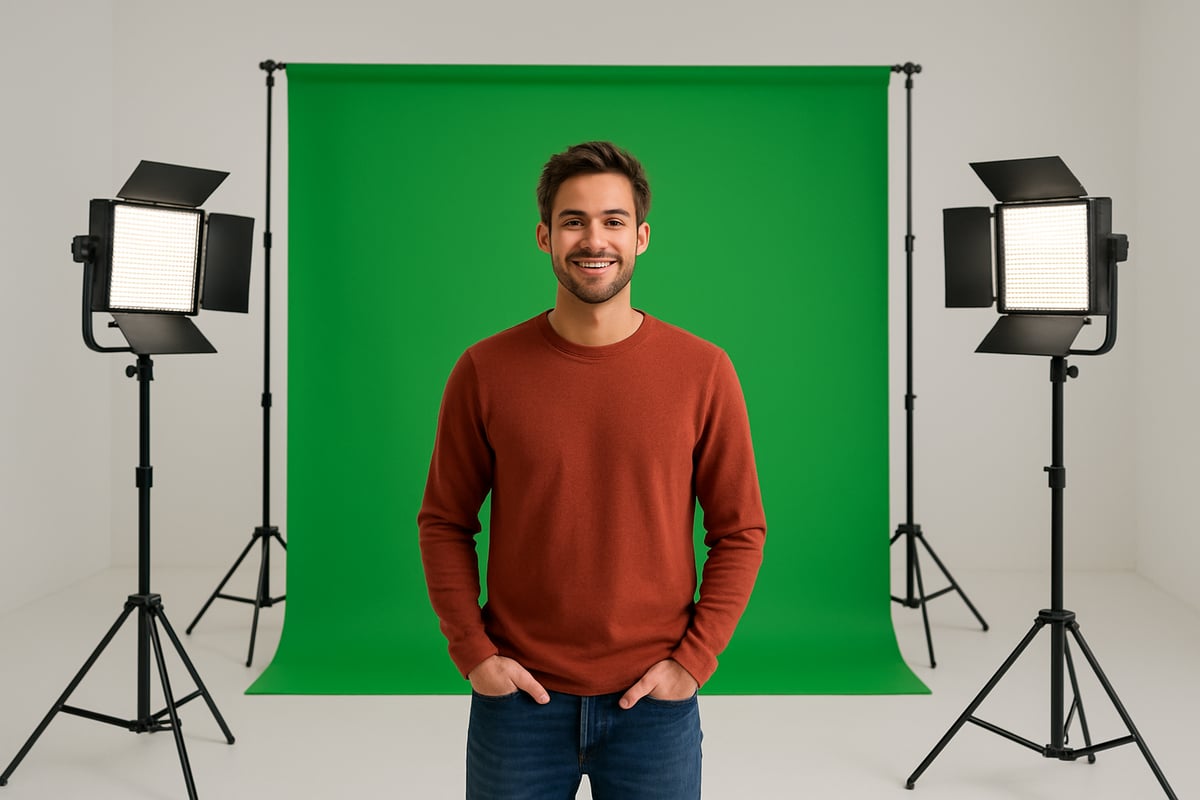
Before you even turn on a light, ensure the backdrop is perfectly flat. Iron out any creases, secure the edges, and use backdrop stands for stability. A flawless surface prevents shadows and makes lighting green much easier to control. Position your screen at least 8 feet behind your subject to allow space for lighting adjustments and to minimize color spill.
Step 2: Placing and Adjusting Lights
Strategic light placement is the secret to even, vibrant lighting green results. Start with two identical lights, ideally LED panels or softboxes, positioned at equal distances and 45-degree angles to the screen. This dual-light approach floods the backdrop with balanced illumination, eliminating dark patches and reducing post-production headaches.
- Avoid hotspots: Adjust intensity until the green is uniform across the screen.
- Control spill: Use barn doors or flags to direct light only where needed.
- Double-check symmetry: Measure the distance from each light to the screen for consistency.
For a deeper dive into professional techniques, check out the expert advice in Lighting for Green Screen Success.
Step 3: Subject Lighting for Depth and Realism
Lighting green isn’t just about the backdrop. Your subject needs careful attention to avoid blending into the background. Use a three-point lighting setup: a key light for the face, a fill light for shadows, and a backlight to create separation. This structure adds depth and ensures the subject stands out, even in complex scenes.
Watch for green spill on hair, skin, and clothing. Increase the distance between the subject and screen, and use backlights to counteract unwanted reflections. For interviews, keep lighting natural and soft. For cinematic scenes, experiment with angles and intensity to achieve the desired mood while maintaining crisp separation from the green background.
Step 4: Camera and Exposure Settings
Dialing in your camera is just as vital as lighting green correctly. Set your ISO as low as possible to reduce digital noise, which can cause color specks and make post-production keying difficult. Adjust white balance to match your light sources (typically 5,600K for daylight LEDs) for authentic color capture.
Check exposure using your camera’s histogram or live preview. The goal is a rich, saturated green that isn’t blown out or muddy. Make small tweaks to aperture and shutter speed until the green reads as even and vibrant. Live monitoring helps catch issues in real time, so you can adjust before shooting begins.
Step 5: Testing and Tweaking Your Setup
Before you record or snap the final photo, run a series of test shots. Look for inconsistencies: are there shadows, uneven patches, or unwanted reflections? Address these issues by tweaking light angles, adjusting intensity, or repositioning your subject.
- Check for color spill on subject edges.
- Confirm the green screen is evenly lit from edge to edge.
- Review footage on a calibrated monitor for true color accuracy.
Keep a checklist handy for troubleshooting. Small, timely adjustments now will save hours in editing and ensure your lighting green setup delivers vibrant, professional results every time.
What Are the Most Common Green Lighting Mistakes (and How to Fix Them)?
Lighting green scenes can be both art and science, but even experienced creators face obstacles. Understanding the most common pitfalls—and how to overcome them—ensures your results are vivid, professional, and stress-free.
Shadow Issues and Uneven Lighting
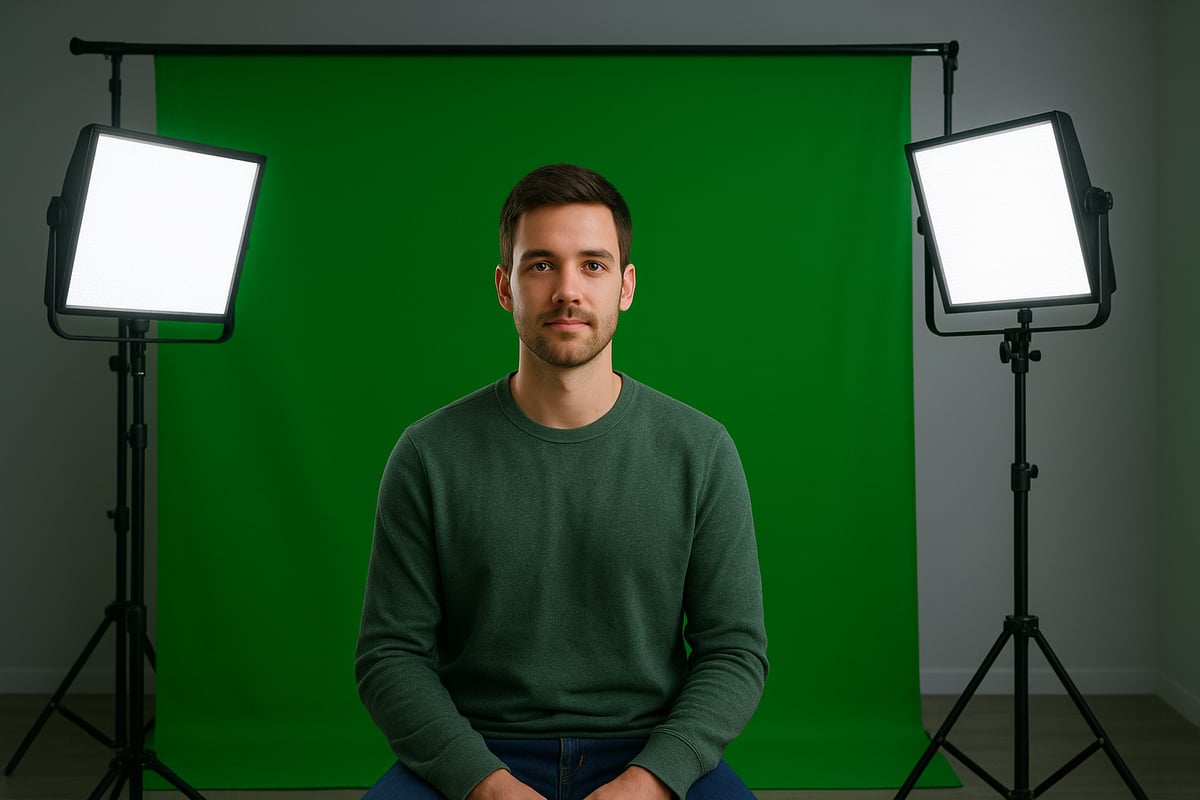
Shadows and patchy lighting green screens can sabotage your entire project. If your subject stands too close or your lights are angled incorrectly, harsh shadows form, making it nearly impossible to key cleanly in post. Data shows uneven lighting is the leading cause of chroma key failures.
To fix this, position lights at equal distances from the screen, and ensure your subject is at least 8 feet away. Add fill lights if needed, and always check for shadows before you start recording.
Green Spill and Color Contamination
Green spill happens when lighting green screens reflect onto your subject’s edges, creating color contamination that looks unnatural. This is especially tricky with lighter hair or white clothing.
To prevent green spill, use backlights to separate your subject from the backdrop, and choose wardrobe colors that contrast with green. For advanced solutions, matte controls in editing software can help. For more actionable advice, check out these Green Screen Lighting Tips.
Overexposure and Hot Spots
Hot spots occur when lighting green areas are too intense, causing blown-out patches that are hard to fix in post. Overexposure can also make your greens look washed out or uneven.
Monitor your lighting green setup with histograms or camera monitors to spot these trouble areas. Diffusers are excellent for softening harsh lights, while lowering intensity or moving lights further from the screen helps even out brightness.
Equipment Mismatches and Color Temperature Problems
Mixing different types of bulbs in your lighting green setup can create color balance nightmares. If your lights have different color temperatures or are from different brands, the green may appear inconsistent and harder to key.
Always use matching bulbs and set your camera’s white balance manually. White balance cards are a simple but powerful tool to calibrate your lighting green for perfect consistency across shots.
Quick Fixes for DIY Setups
If you’re working with a tight budget, lighting green screens can still look professional with a few clever tricks. Clamp lights with daylight bulbs, foam boards for extra fill, and blackout curtains to control ambient light are all affordable solutions.
Keep your backdrop smooth and wrinkle-free, and use whatever you have—just remember, even lighting green is the real secret to success.
How Is Green Lighting Evolving? Trends & Expert Insights for 2025
Imagine entering a room where lighting green isn't just functional, but feels alive—responding to your mood, your work, your art. As we step into 2025, the evolution of lighting green is more than a technical upgrade; it’s a sensory revolution that blends innovation with emotion. Let’s explore the trends reshaping how we see, feel, and create with green light.
Smart Lighting and Automation
The future of lighting green is smart—literally. App-controlled fixtures are now a staple in studios and homes, letting you adjust brightness, color, and even preset dynamic scenes with a tap. Imagine prepping for a video call, and your lighting green setup automatically shifts to a flattering hue, then transitions to a soothing green for creative brainstorming. Scene presets and scheduled changes make it effortless to move from work mode to relaxation, while voice controls add hands-free convenience.
With automation, creators and homeowners can experiment with lighting green in ways that were once only possible in high-end studios. This level of control brings a new layer of artistry to daily life, empowering anyone to curate their environment for productivity, calm, or inspiration.
Sustainable and Eco-Friendly Lighting
Sustainability is at the heart of every modern lighting green conversation. The adoption of LED and low-energy solutions is more than a trend—it’s a commitment to the environment. Data shows that LED bulbs use up to 75% less energy than traditional options, significantly reducing both electricity bills and carbon footprints.
Choosing eco-friendly lighting green options doesn’t mean sacrificing vibrancy or quality. Today’s LEDs offer precise color control, long lifespans, and minimal heat output, making them ideal for both intense studio work and gentle home accents. As green technology evolves, expect even more efficient bulbs and smarter recycling programs to become mainstream.
Integration with Home and Studio Design
Gone are the days when lighting green meant clunky gear or unsightly setups. In 2025, lighting green is designed to blend seamlessly with your decor. Imagine statement chandeliers, sleek wall lamps, or nature-inspired fixtures that double as art pieces. Designers are embracing green-lit accent walls and biophilic details to bring the freshness of the outdoors inside.
For those seeking inspiration, the Botanica Luxe green-inspired lights collection offers nature-infused options that fit beautifully in modern spaces. These fixtures prove that lighting green can be both functional and a style statement, transforming any room into a vibrant, welcoming haven.
Professional Techniques Entering Home Use
What was once exclusive to big-budget productions is now accessible to everyone. Lighting green setups that use pro-grade gear—like modular LED panels and advanced diffusers—are now affordable for indie filmmakers, content creators, and even remote workers. This democratization means you can achieve studio-level results in your living room or office.
Homeowners are getting creative, experimenting with green-lit accent walls or custom backdrops for video calls. The result? Spaces that feel dynamic, energizing, and ready for both work and play, all thanks to innovative lighting green solutions.
Expert Tips for Future-Proof Setups
To make your lighting green setup ready for whatever 2025 brings, think modular. Invest in systems that can be reconfigured as your needs change—whether it’s for a new project, more flexible home office, or evolving creative pursuits. Plan your lighting green layout with both physical ambiance and digital content in mind, so your space feels inviting in person and looks polished on camera.
Stay curious. The world of lighting green is expanding rapidly, with new tools, resources, and techniques emerging every year. By keeping your setup adaptable, you’ll always be ready to embrace the next wave of inspiration or technology.
Pro Tips: Achieving Next-Level Vibrancy in Green Lighting
Ready to unlock the full potential of your lighting green setup? The difference between a bland scene and a stunning, lifelike result often comes down to a handful of expert strategies. Whether you are a creator, filmmaker, or design enthusiast, these pro tips will help you achieve that next-level vibrancy that captures attention and elevates your work.
Advanced Techniques for Flawless Results
To truly master lighting green environments, start by using reflectors and bounce cards. These tools fill in stubborn shadows and ensure that your green screen remains evenly illuminated from edge to edge. Layering multiple light sources, such as LED panels and softboxes, adds depth without overpowering the scene or washing out your subject.
- Reflectors: Place white or silver bounce cards opposite your main lights to soften shadows and maintain color accuracy.
- Light layering: Combine key, fill, and back lights for balanced exposure, avoiding flat or artificial looks.
- Diffusers: Attach soft diffusers to your lights to prevent hot spots and harsh glares.
Color grading and correction in post-production can further enhance vibrancy, but the best results always start on set. Use a calibrated monitor to check for evenness and color spill in real time. For technical optimization, consider reviewing [Estimating Green Screen Lighting](https://www.tvtechnology.com/opinions/estimating-green-screen-lighting) to fine-tune your setup with mathematical precision. Lastly, keep your equipment clean and regularly check bulbs for consistent color output—small maintenance steps make a big difference in lighting green projects.
Case Studies: Success Stories and Lessons Learned
Consider the story of an indie filmmaker who transformed a cramped apartment into a cinematic studio for under $100. By carefully spacing two identical lights and using foam boards as bounce cards, they achieved a flawless lighting green result that required minimal post-editing. Their secret was meticulous testing and constant adjustments, proving that creativity often beats expensive gear.
Another example comes from a home office makeover. The owner, overwhelmed by a dull workspace, invested in smart LED panels and a wrinkle-free green backdrop. Layering lights, adding a simple backlight, and monitoring the exposure made virtual meetings and video recordings pop with professional energy. This transformation inspired greater focus and creativity, showing that lighting green techniques can elevate both productivity and mood.
Whether you are working with a shoestring budget or top-tier equipment, the right approach to lighting green unlocks endless creative possibilities and flawless results every time.
Frequently Asked Questions About Green Lighting
Curious about lighting green and how to get the most vibrant, seamless results? Below, we answer the questions creators, designers, and homeowners ask most about lighting green for video, photography, and home design.
What’s the difference between green and blue screens?
Green and blue screens are both used for chroma keying, but lighting green is more common because digital cameras are most sensitive to green. Green screens require less light and produce a cleaner key, while blue screens are helpful for subjects with green clothing or props.
Can I use lighting green for both video and photography?
Absolutely. Lighting green is effective in both video and photography, as long as you use even, consistent light across your green surface. Adjust your camera’s white balance and exposure for the best color accuracy, and always test your results before shooting the real content.
How do I avoid green spill on my subject?
To prevent unwanted green reflections on your subject, keep them at least 8 feet from the screen. Use backlights or hair lights to create separation, and avoid shiny or reflective clothing. Managing lighting green intensity and angle is key to a clean, professional look.
What’s the best way to light a small vs. large green screen?
For smaller setups, two identical soft lights on either side of the screen usually provide enough coverage. For larger screens, you may need additional lights or wider softboxes to maintain even lighting green from edge to edge. Always check for shadows and adjust as needed.
Are there eco-friendly lighting green options?
Yes. Modern LED panels are the top choice for sustainable lighting green, using up to 75 percent less energy than traditional bulbs. Look for fixtures with high color accuracy and low power consumption for both cost savings and environmental benefits.
How do I choose between different types of bulbs?
Choose bulbs with a daylight color temperature (around 5,600K) for the most natural lighting green effect. LEDs are preferred for their efficiency and color consistency, while fluorescent tubes can also work but may be less durable over time.
Tips for troubleshooting stubborn lighting green issues
If you notice shadows, uneven color, or green spill, try repositioning your lights or adding diffusers for softer illumination. Double-check that all bulbs match in type and color temperature. For more troubleshooting tips and setup advice, visit the Basics of Green Screen Lighting guide.
Where can I find further resources and community advice?
Online forums, video tutorials, and dedicated lighting green communities can offer support and fresh ideas. Many creators share their setups and solutions, so exploring resources like YouTube, Reddit, and professional blogs is a great way to learn and stay inspired.
As you wrap up your journey through the world of green lighting, imagine how your own space could be transformed—just like the filmmakers and home creators we talked about, who turned ordinary rooms into vibrant, inspiring environments. Whether you’re revamping your studio or adding a fresh glow to your living room, the perfect lighting can make all the difference. If you’re ready to start curating your own space with nature-inspired, modern designs, here’s a little encouragement from me to you: Get 10% off your first order use code Welcome10. Let’s light up your story together!